+918042783750

DRVISHALDABARE https://www.brainsurgery.co.in
Preview

This is your website preview.

Currently it only shows your basic business info. Start adding relevant business details such as description, images and products or services to gain your customers attention by using Boost 360 android app / iOS App / web portal.

919422567822

Specialities

A brain tumor is an abnormal growth of cells in the brain. Tumors can be primary (originating in the brain) or secondary/metastatic (spread from other organs like lung, breast, or kidney).🔹 Types of Brain Tumors1. Based on OriginPrimary Brain TumorsGliomas (astrocytoma, glioblastoma, oligodendroglioma)MeningiomaPituitary adenomaSchwannoma (e.g., acoustic neuroma)Secondary/Metastatic TumorsSpread from other cancers (lung, breast, melanoma, kidney)2. Based on LocationSupratentorial: Above the tentorium cerebelli; affects cerebrumInfratentorial: Below the tentorium; affects cerebellum & brainstem🔹 Causes / Risk FactorsGenetic mutationsRadiation exposureFamily history (rare)Immunodeficiency (rare)🔹 SymptomsHeadache: Often worse in morning or with Valsalva maneuverNausea and vomitingSeizuresNeurological deficits: Weakness, sensory loss, vision or speech problemsCognitive or personality changesBalance/coordination problems (posterior fossa tumors)

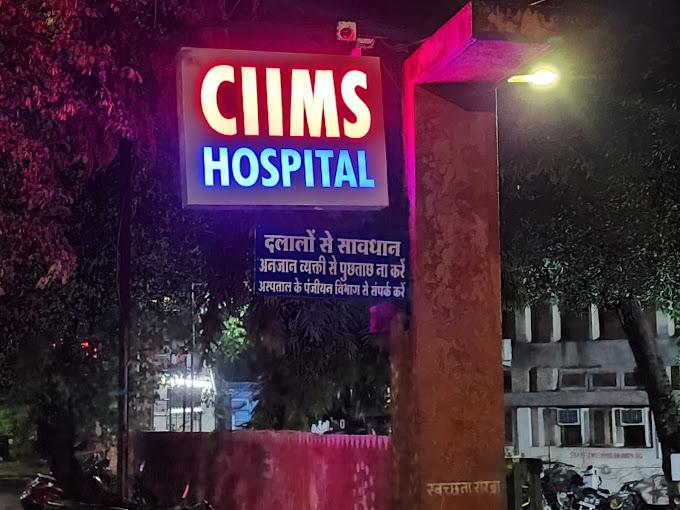
Gandhi Bhavan, CIIMS Hospital 88, 2, Bajaj Nagar, Nagpur, Maharashtra 440010 India

Spine tumors are abnormal growths that develop within or around the spinal cord and vertebrae. They can be primary (originating in the spine) or secondary/metastatic (spread from other organs).🔹 Types of Spine Tumors1. Based on LocationExtradural Tumors – Outside the dura, mostly in vertebrae (e.g., metastasis, multiple myeloma).Intradural-Extramedullary Tumors – Inside dura but outside spinal cord (e.g., meningioma, schwannoma).Intramedullary Tumors – Inside the spinal cord (e.g., ependymoma, astrocytoma).2. Based on OriginPrimary Spine Tumors: Originate in vertebra or spinal cord.Metastatic Tumors: Spread from breast, lung, prostate, kidney, thyroid, or other cancers.🔹 Causes / Risk FactorsGenetic mutations (rare)Prior cancers (breast, lung, prostate, kidney)Age (some tumors more common in children/adults)Unknown for many primary spinal cord tumors🔹 SymptomsPain: Localized or radiating; worse at night or with movement.Neurological deficits: Weakness, numbness, tingling in limbs.Bladder/bowel dysfunction: Late symptom, often indicates cord compression.Spinal deformity / pathological fracture: In vertebral tumors.

Gandhi Bhavan, CIIMS Hospital 88, 2, Bajaj Nagar, Nagpur, Maharashtra 440010 India

Epilepsy surgery is a treatment option for patients whose seizures cannot be controlled with medications (drug-resistant epilepsy). The goal is to remove or disconnect the part of the brain causing seizures while preserving normal brain function.🔹 IndicationsDrug-resistant focal epilepsy (seizures originate from a single brain region)Seizures causing severe disability or injuryStructural abnormalities visible on MRI (cortical dysplasia, tumor, scar)Temporal lobe epilepsy with hippocampal sclerosis🔹 Types of Epilepsy Surgery1. Resective SurgeryAnterior Temporal Lobectomy: Most common; removes seizure focus in temporal lobe.Lesionectomy: Removes a specific lesion causing seizures (tumor, cortical dysplasia).2. Disconnection SurgeryCorpus Callosotomy: Cuts fibers connecting the two hemispheres to prevent spread of seizures.Hemispherectomy / Hemispherotomy: Rare, removes or disconnects one hemisphere; used in severe unilateral epilepsy.3. Neurostimulation / ModulationVagus Nerve Stimulation (VNS): Implanted device stimulates vagus nerve to reduce seizures.Deep Brain Stimulation (DBS): Electrodes in thalamus modulate seizure activity.Responsive Neurostimulation (RNS): Detects abnormal electrical activity and delivers electrical pulses to stop seizures.🔹 Pre-Surgical EvaluationMRI Brain: Identify structural lesion.Video EEG Monitoring: Localize seizure focus.PET/SPECT scans: Assess metabolic activity.Neuropsychological testing: Determine functional areas of brain.Functional MRI / Wada Test: Evaluate speech/memory dominance.🔹 Advantages of SurgeryPotential complete seizure freedom (especially temporal lobe epilepsy).Reduced need for anti-epileptic drugs.Improved quality of life, cognition, and psychosocial function.🔹 Risks / ComplicationsNeurological deficits (speech, motor, memory) depending on location.Infection, bleeding.Seizures may persist (not all patients become seizure-free).Psychological impact.

Gandhi Bhavan, CIIMS Hospital 88, 2, Bajaj Nagar, Nagpur, Maharashtra 440010 India

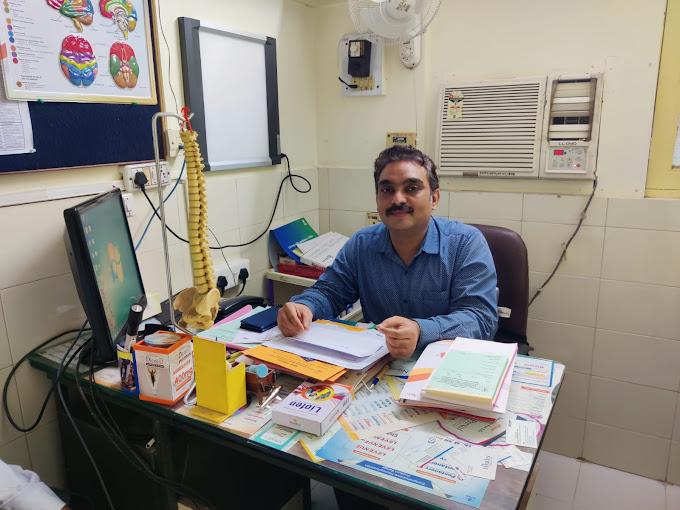
Meet Our Doctor

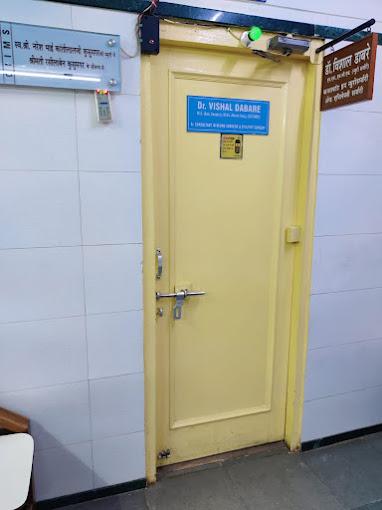
DR. VISHAL. D. DABARE

DR. VISHAL. D. DABARE

Gandhi Bhavan, CIIMS Hospital 88, 2, Bajaj Nagar, Nagpur, Maharashtra 440010 India
Specializes in:CONSULTANT IN NEUROSURGERY & EPILESY SURGERY
Experience:11 Years
Education:MBBS, MS (General Surgery), Mch (Neurosurgery).
Mobile:+91-9422567822
Memberships:Bombay Neurosciences Association Midwest Neurological Society
Registration No:MMC 2008/06/2569.

Latest Update

Understanding Stroke and Intracranial Hemorrhage :

It's Done!!

Your appointment is confirmed

Doctor Name:

Date & Time:

Contact:

Address: Gandhi Bhavan, CIIMS Hospital 88, 2, Bajaj Nagar, Nagpur, Maharashtra 440010 India

Appointment details has also been shared with you on your mobile number . Please arrive atleast ten minnutes ahead of the scheduled time.

specialities